90
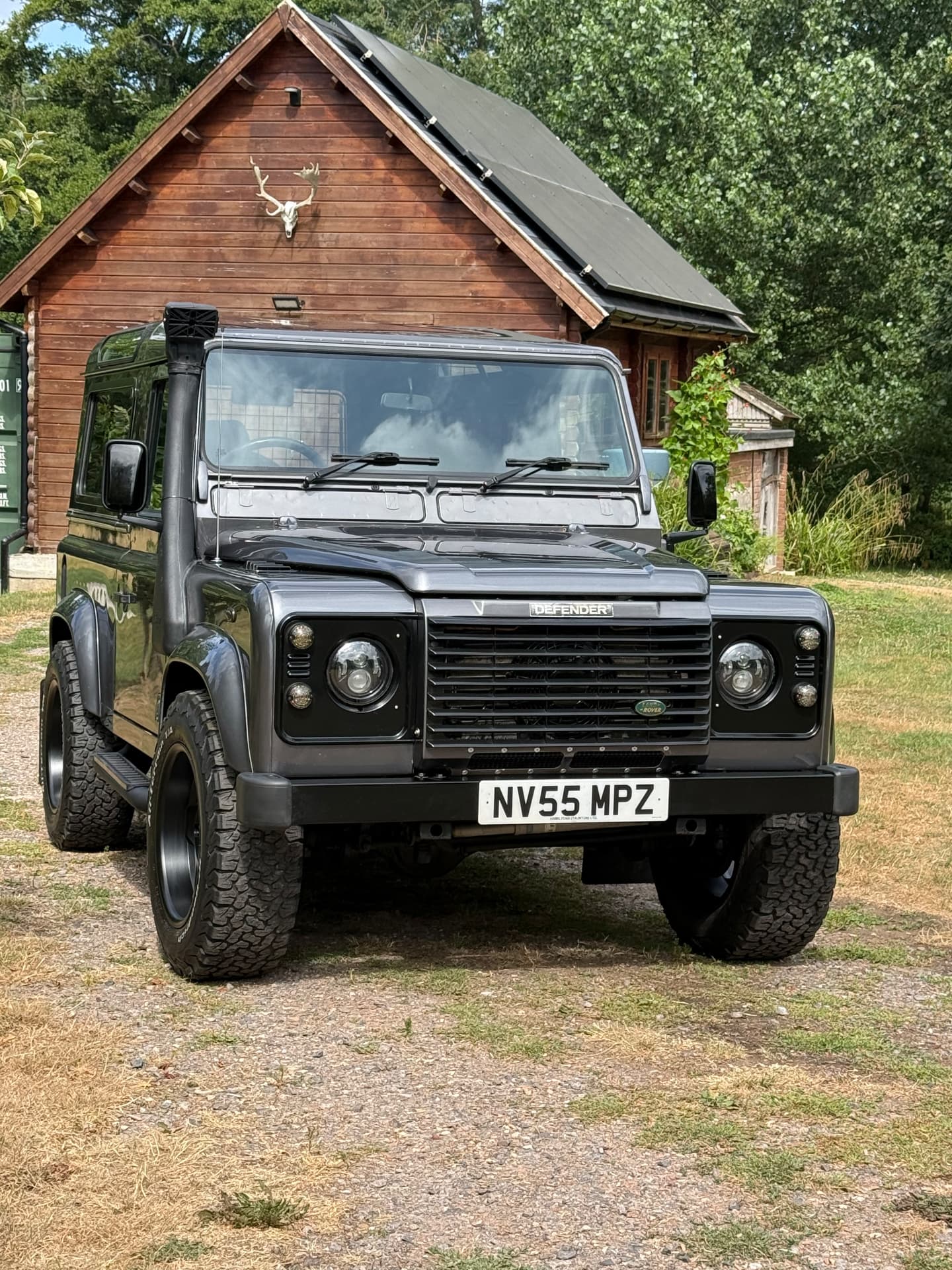
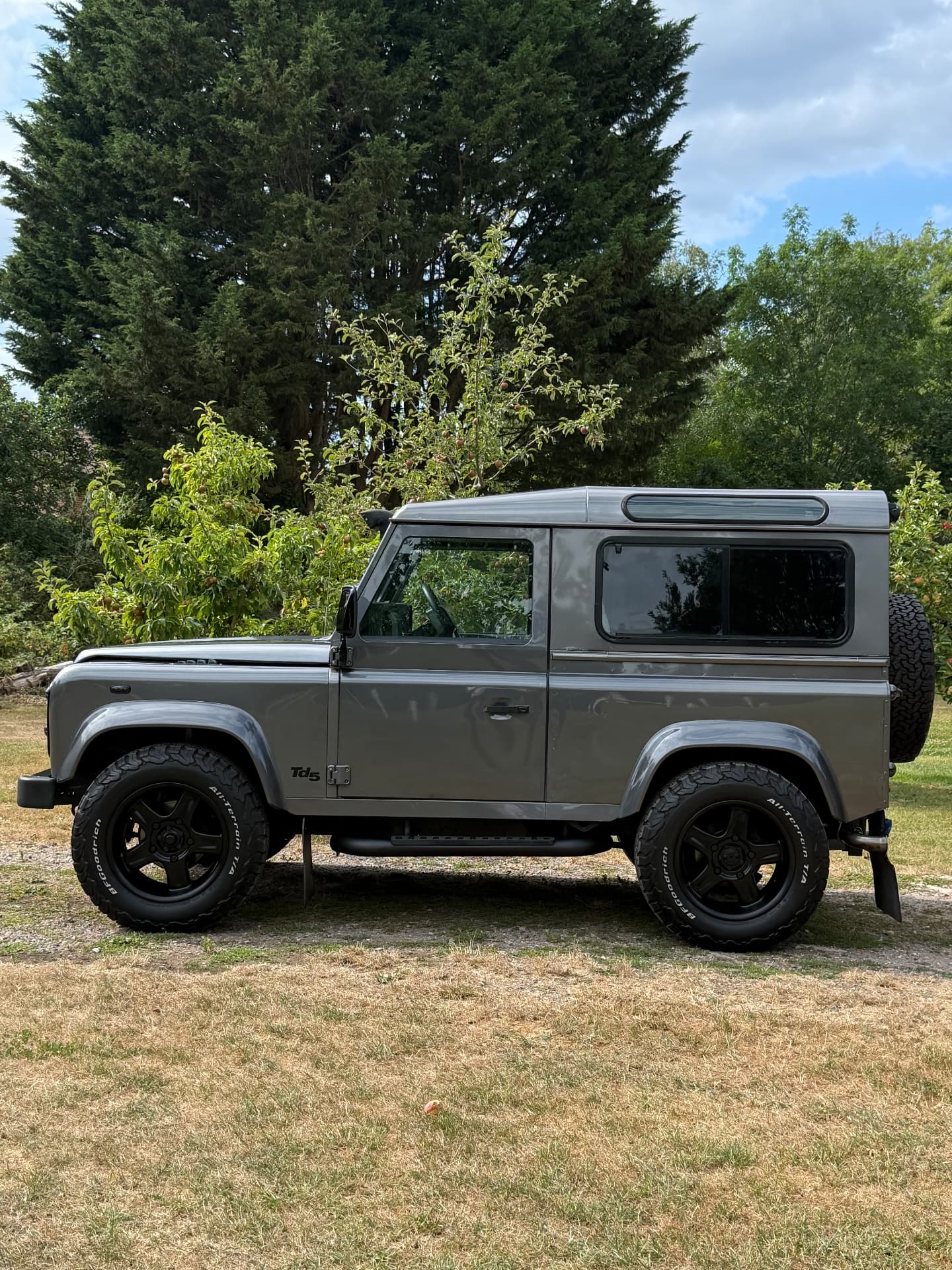
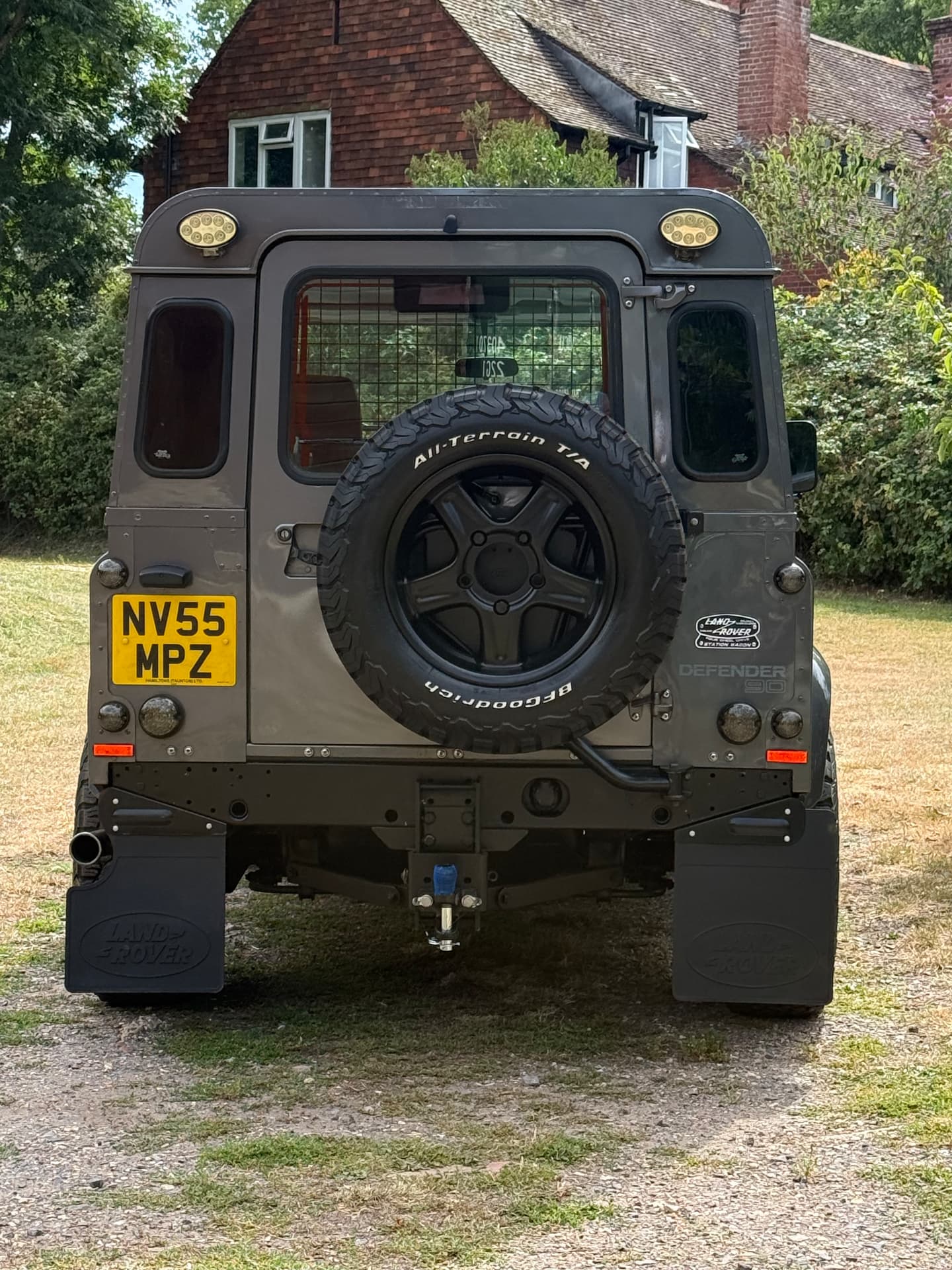
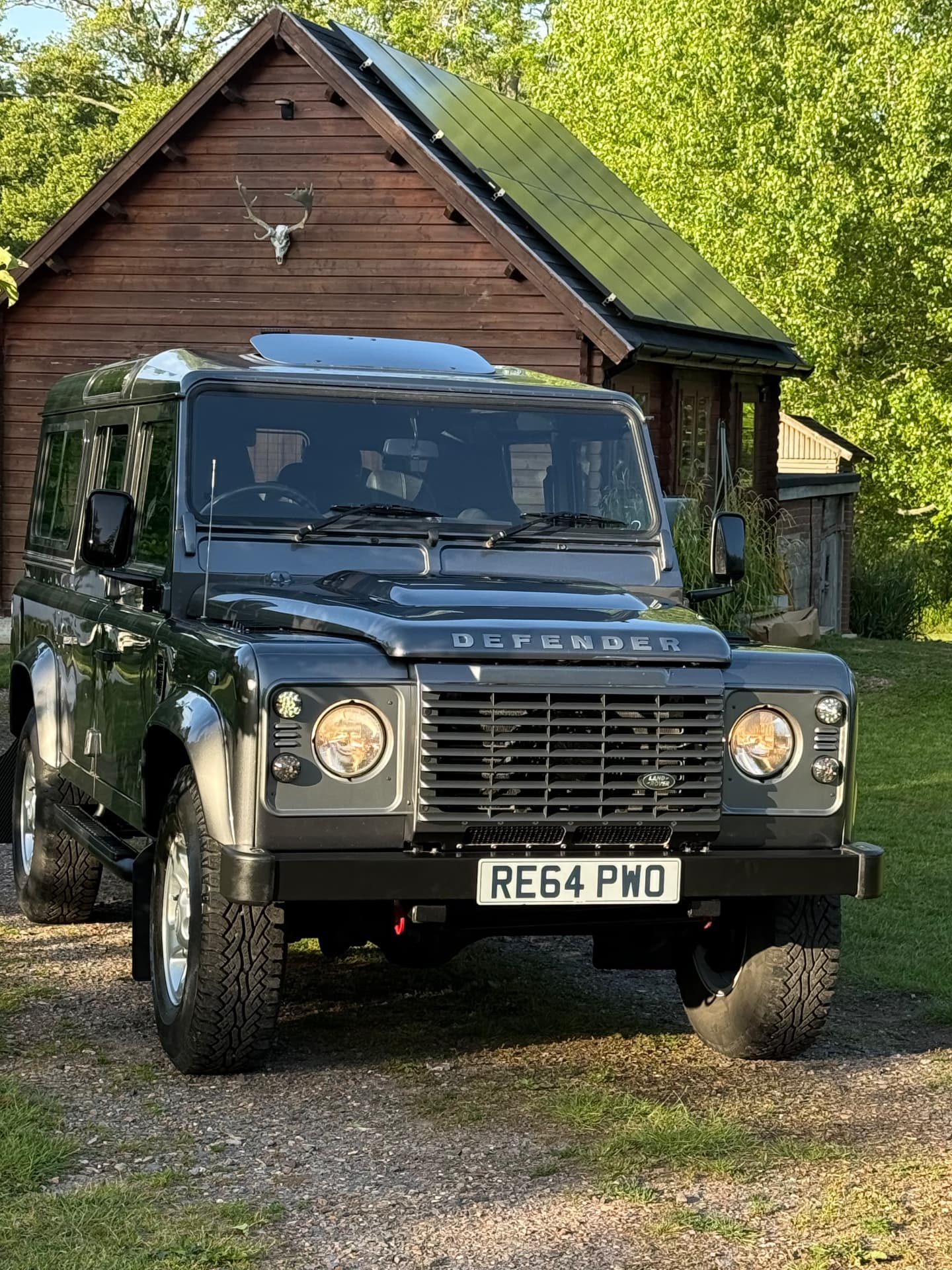
Defender 90
Short wheelbase. Sharpest drive.
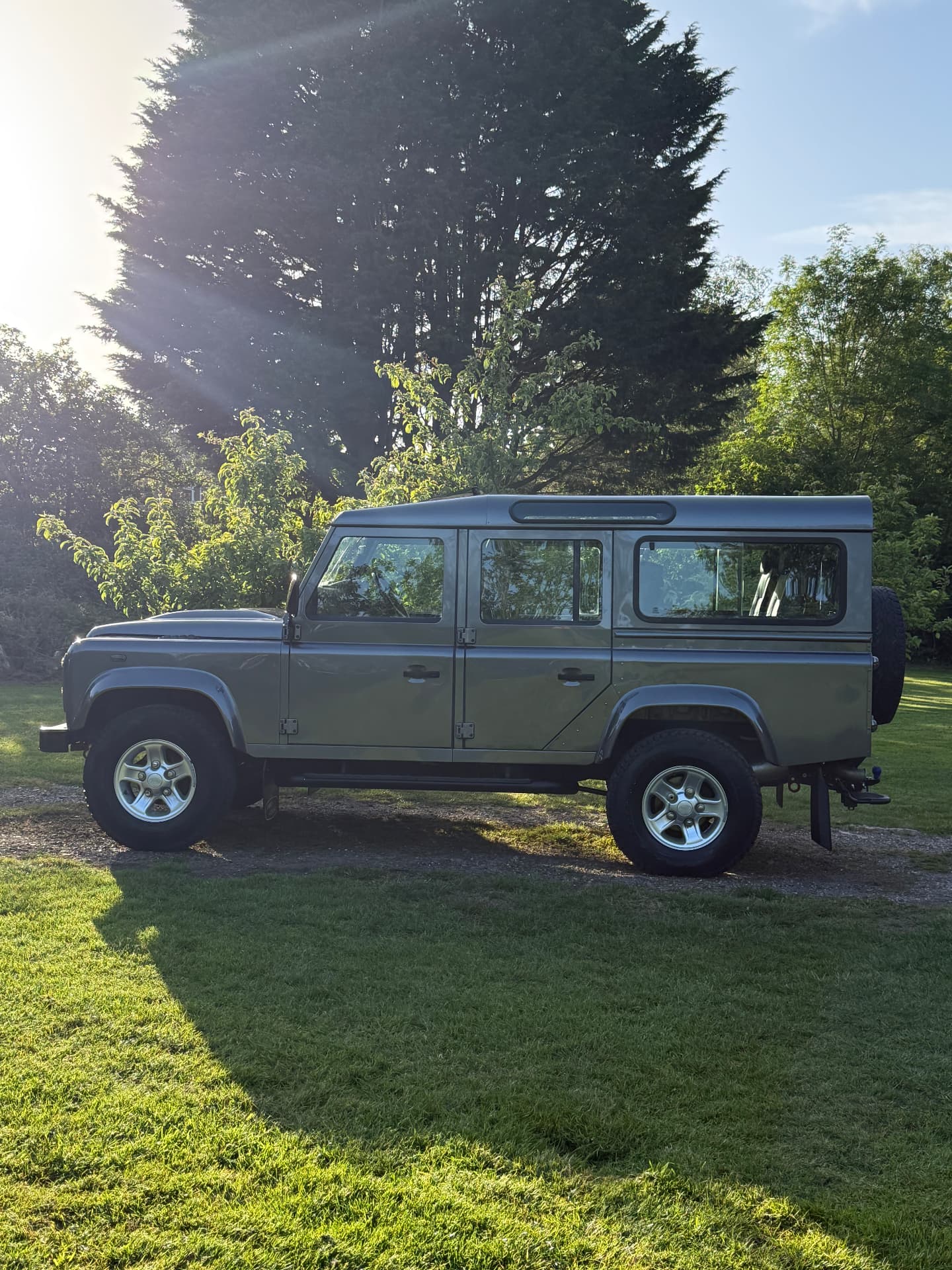
The short-wheelbase, three-door Defender. Compact, light and manoeuvrable, it was made for tight lanes, farm tracks, beach runs and weekend escapes — still the purest way to own a classic Land Rover.
A short history
Introduced in 1984 as the Land Rover Ninety, the short-wheelbase model carried the original Series idea into the modern era — coil springs, permanent four-wheel drive and a footprint no bigger than a family hatchback. Renamed Defender 90 in 1990, it ran until 2016 and has become the most sought-after of the classic Defenders.
What it's good for
Weekends and lanes
Short, light and nimble — the 90 is at its best on green lanes, beaches and tight forest tracks.
Easy to live with
It parks like a car, fits in a standard garage and holds its value better than almost anything on the road.
The enthusiast's choice
Two doors, four seats and the purest Defender driving feel. If you want one Landy to keep, this is usually it.
- Wheelbase
- 92.9 in
- Seats
- 4
- Engine
- 2.2 TDCi / 2.4 TDCi
- Years
- 1984–2016
110
Defender 110
Long wheelbase. The everyday one.
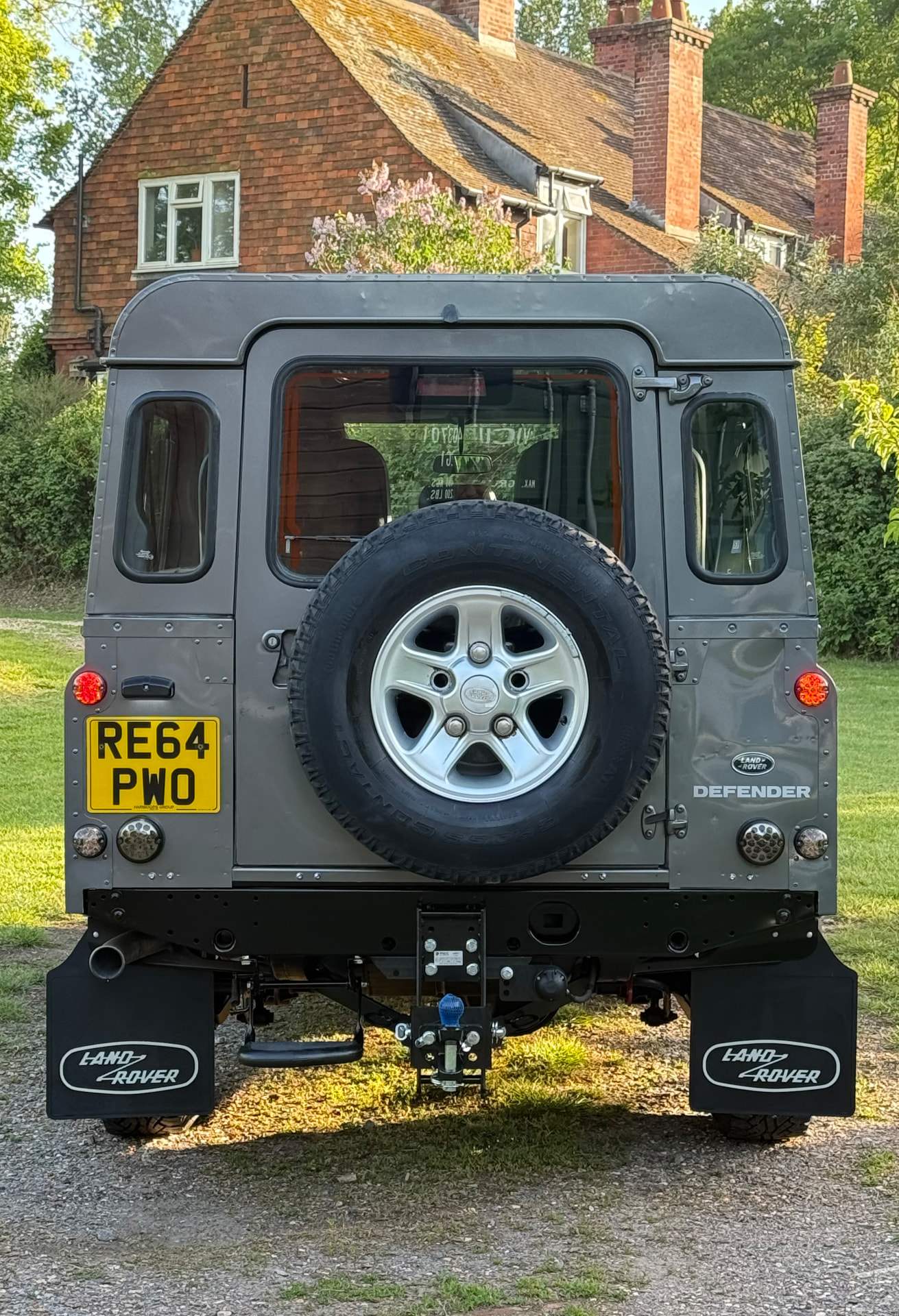
The long-wheelbase, five-door Defender. With room for family, dogs and kit, it is the most versatile of the classic range — equally at home on the school run, the ferry to Scotland or a weekend away.
A short history
The One Ten arrived in 1983 as the workhorse of the range and went on to define what a Land Rover was for three decades. Farm Landy, expedition vehicle, family estate — the 110 did all of it, which is why it remains the most usable classic Defender today.
What it's good for
Families
Five doors and up to seven seats. The 110 is the Defender you can genuinely use every day.
Towing and load
A 3,500 kg towing limit and a proper load bay make it the practical choice for boats, trailers and kit.
Travel
Long wheelbase comfort, big fuel range and room to sleep in the back — the classic overland platform.
- Wheelbase
- 110 in
- Seats
- 5–7
- Engine
- 2.2 TDCi / 2.4 TDCi
- Years
- 1983–2016
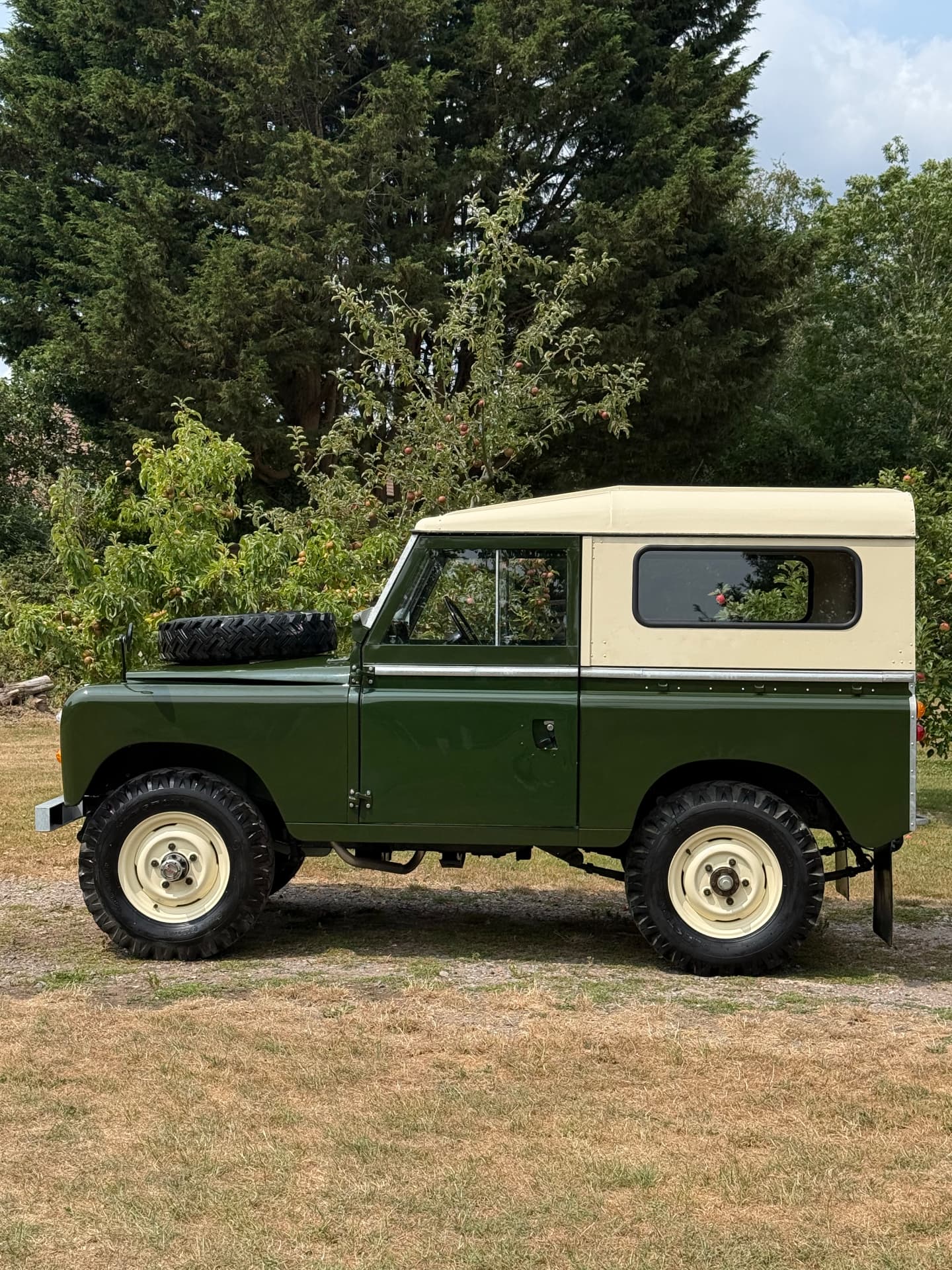
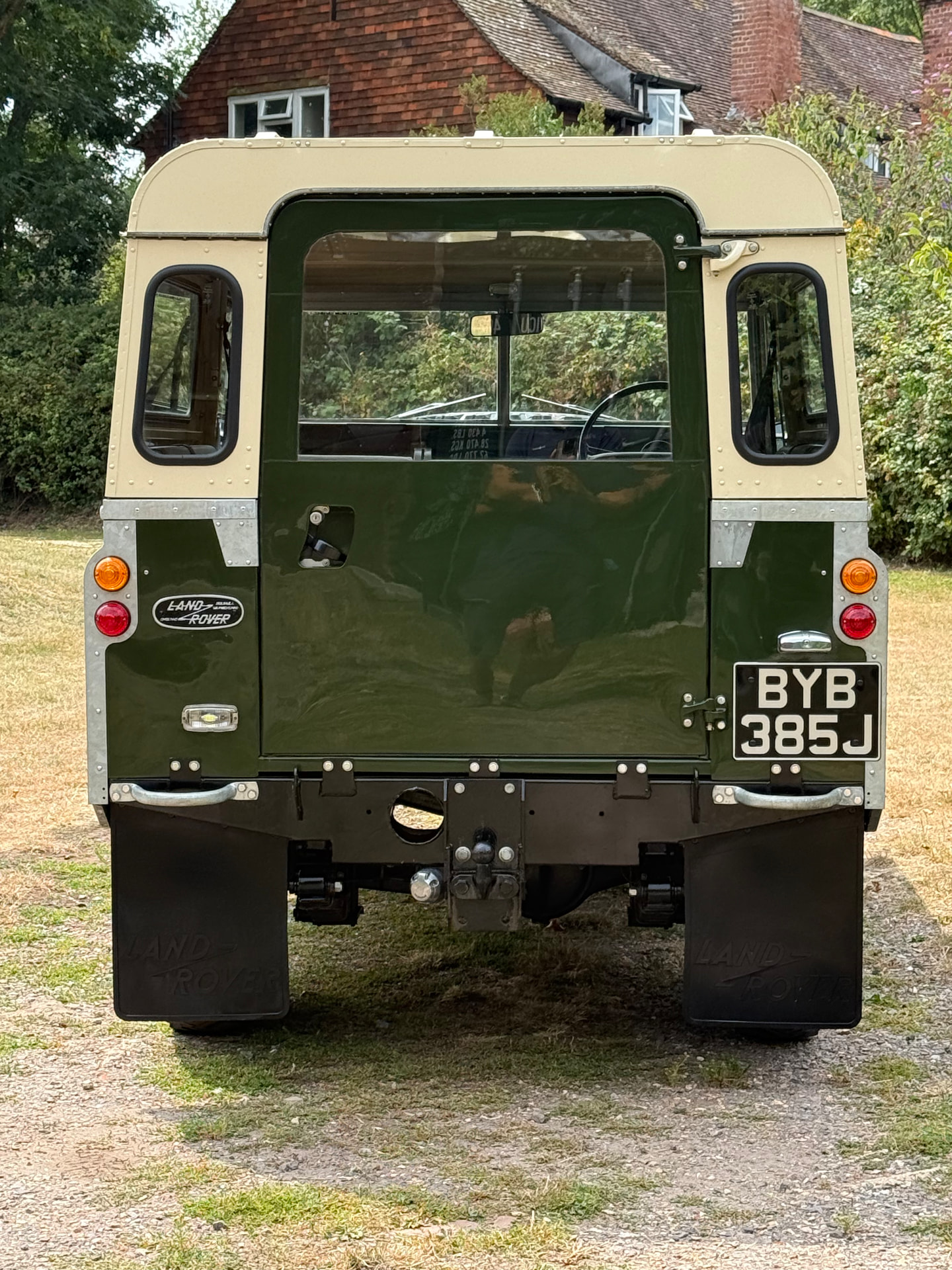
SERIES
Series I, II & III
The originals.
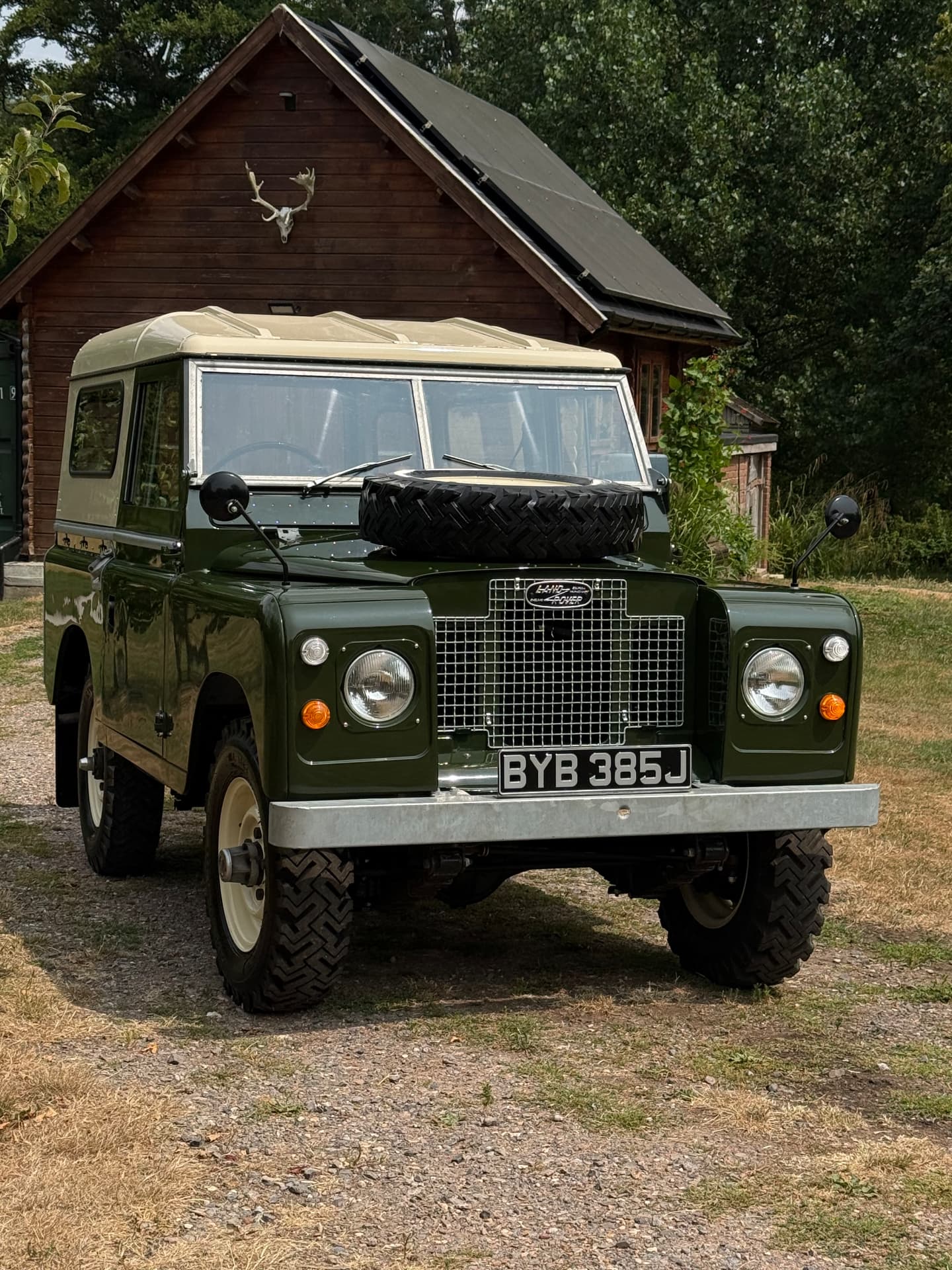
The vehicles that started it all. Slower, simpler and full of charm — a Series is less a car, more a way of life.
A short history
Launched at the 1948 Amsterdam Motor Show, the original Land Rover was designed as a stopgap and became an icon. Through Series I, II, IIA and III it barely changed for nearly four decades — proof that the simple, go-anywhere formula was right from the start.
What it's good for
Heritage and character
No vehicle has more presence per mile per hour. A Series turns every journey into an occasion.
Simple ownership
No electronics, no complexity — a Series can be maintained with hand tools and a workshop manual.
Investment
Correct, well-restored Series vehicles have appreciated steadily for twenty years.
- Years
- 1948–1985
- Seats
- 2–7
- Engine
- 2.25 petrol / diesel
- Drive
- Selectable 4WD